


The First U.S. Marshals: Guardians of Federal Law in the Early Republic
In 1789, when President George Washington signed the Judiciary Act, the office of U.S. Marshal was created. These men weren’t paper-pushers. They were the face of federal law in a young nation still finding its footing.
The first marshals were not anonymous bureaucrats but veterans of the Revolution, men whose reputations carried weight in their communities. Some would enforce unpopular laws, others would be remembered for their sacrifice, and all of them carried the full burden of making the Constitution real in people’s lives.
Their stories are little-known, but they shaped how Americans first encountered federal authority. Robert Forsyth died serving a warrant. David Lenox stood down rebellion in Pennsylvania. Clement Biddle balanced Quaker beliefs with duty to the republic. Together, they reveal how fragile, and how daring, the early United States really was.
Origins and Role
The Judiciary Act gave marshals sweeping authority: to enforce federal court orders, summon juries, arrest offenders, even command the help of citizens. In practice, that meant being the one figure ordinary Americans actually saw when the new federal government reached into their towns.
Marshals conducted the first census in 1790, served writs in courtrooms, and enforced laws that often made them unpopular. They had no uniforms, no standing force, and very little protection. Their power rested almost entirely on their personal reputation, on whether their neighbors respected them enough to obey.
That’s why Washington chose carefully. He turned to Revolutionary officers, merchants, and civic leaders. Men who had proven themselves in war and public life. Men like Robert Forsyth, Clement Biddle, and David Lenox. They were the federal government’s first line of defense and often its only face.
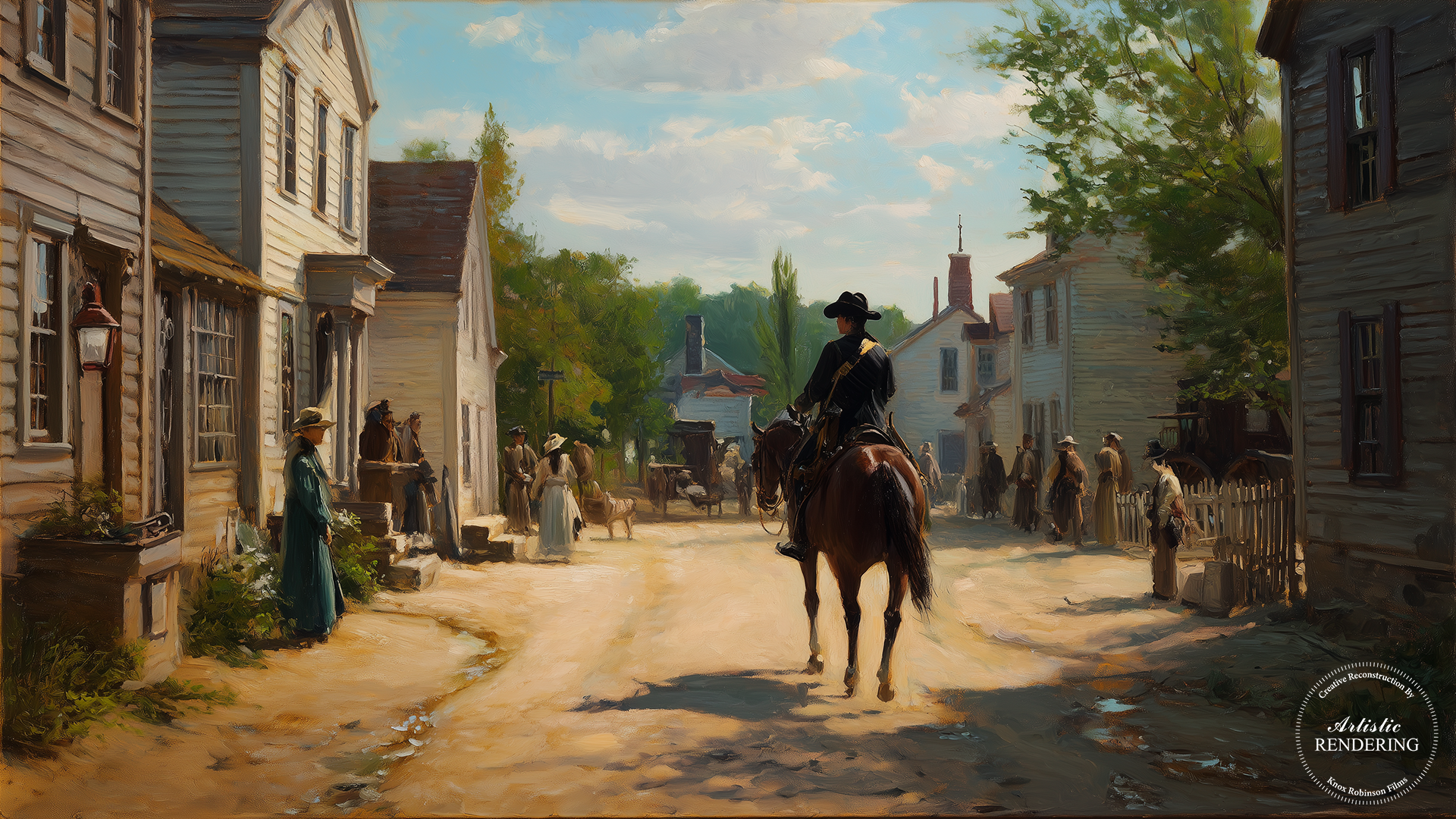
The First Appointees
In 1789, thirteen judicial districts were created, roughly corresponding to the original states. To each district, Washington appointed a marshal. Their names are not as familiar as Washington’s cabinet officers or Supreme Court justices, yet they were essential to the daily functioning of the new government.
The appointments included Revolutionary officers such as Clement Biddle of Pennsylvania, merchants like Thomas Lowry of New Jersey, and lawyers such as William Nichols of Massachusetts. Many had served in the Continental Army or in state militias. Nearly all were men of property and local influence. Their selection was as political as it was practical: Washington understood that the marshal’s authority would be accepted only if the man holding the office commanded respect in his community.
These marshals performed duties that today might seem mundane but were essential to nation-building. They conducted the first census in 1790, gathering demographic data that would shape congressional representation. They enforced the federal judiciary’s writs, ensuring that the Constitution was more than parchment. They raised revenue by seizing property under court order, sometimes at great personal risk. And they symbolized the presence of a federal authority that many citizens were encountering for the first time.
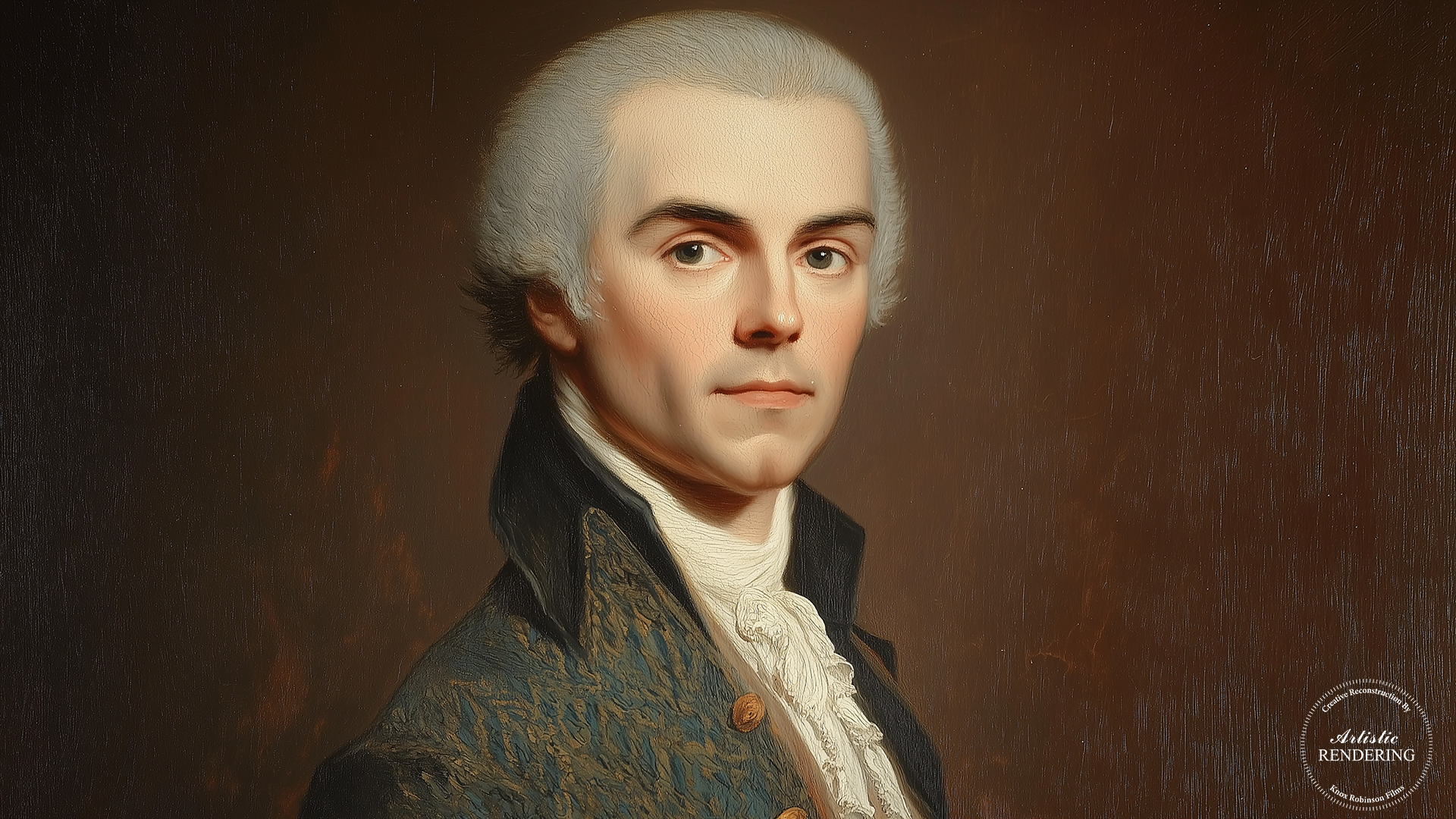
Robert Forsyth of Georgia
Among Washington’s first appointees, none is remembered with more poignancy than Robert Forsyth. Born in Scotland in 1754, Forsyth immigrated to Virginia and joined the Revolutionary cause as a young man. He served as an officer in the Continental Army, where his conduct earned him respect. After the war, he settled in Georgia, a state still on the frontier of the new republic.
In 1789, Washington appointed Forsyth as the first U.S. Marshal for the District of Georgia. His tenure was tragically short. On January 11, 1794, Forsyth attempted to serve civil process on Beverly Allen, a debtor living in Augusta. Allen, armed and hostile, ambushed Forsyth by firing through a closed door, striking him in the head. Forsyth died instantly. He became the first U.S. Marshal to be killed in the line of duty.
Forsyth’s death reverberated through the fledgling republic. Newspapers reported the killing with outrage, portraying it as an attack not merely on a man but on the authority of the federal government itself. Allen fled and eluded capture for years, symbolizing the difficulty marshals faced in enforcing federal law against local resistance. Forsyth was buried in Augusta, and his sacrifice has since been memorialized by the U.S. Marshals Service as the first in a long line of deputies and marshals who have given their lives in service.
Forsyth’s legacy lies not only in his tragic death but also in what it represented. The office of marshal was inherently dangerous, demanding courage and resilience. Forsyth’s death underscored that federal authority would not be universally accepted without conflict, and that those who embodied it bore the ultimate risk.
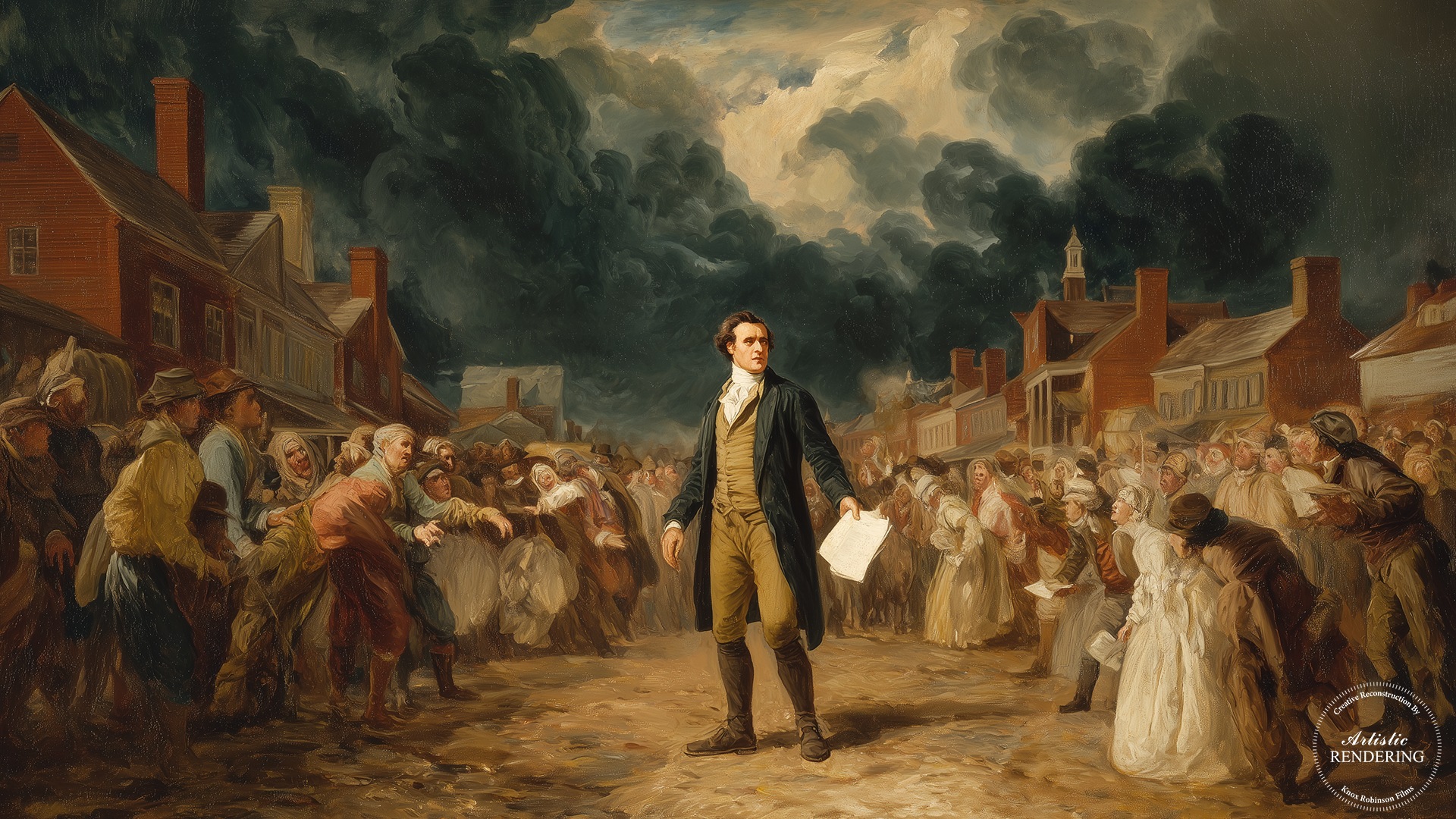
David Lenox of Pennsylvania
Another of Washington’s appointees, David Lenox, exemplifies the stature and breadth of experience marshals were expected to bring to the role. Born in 1753, Lenox served as a captain in the Revolutionary War. Captured at the Battle of Fort Washington in 1776, he endured imprisonment before being exchanged. His military service earned him recognition as a patriot of determination.
After the war, Lenox established himself in Philadelphia as a banker and civic leader. He became involved in the city’s financial institutions, including the Bank of North America, and built a reputation as a man of both probity and influence. Washington appointed him U.S. Marshal for Pennsylvania in 1793, at a time when the state was a hotbed of political ferment.
Lenox’s tenure coincided with the tumult of the Whiskey Rebellion (1794), in which western Pennsylvania farmers violently resisted federal excise taxes on distilled spirits. As marshal, Lenox was tasked with serving writs and enforcing federal law in the face of widespread hostility. His efforts placed him in direct confrontation with armed insurgents, testing both his courage and the reach of federal power. Ultimately, Washington himself led militia forces to suppress the rebellion, but Lenox’s role as marshal highlighted the centrality of his office in crisis.
Beyond law enforcement, Lenox continued to serve his country in diplomatic capacities, including as U.S. agent in Great Britain. His career demonstrates the range of roles marshals could hold, combining local enforcement with national service. Lenox embodied the blend of soldier, statesman, and civic leader that Washington sought in his appointments.
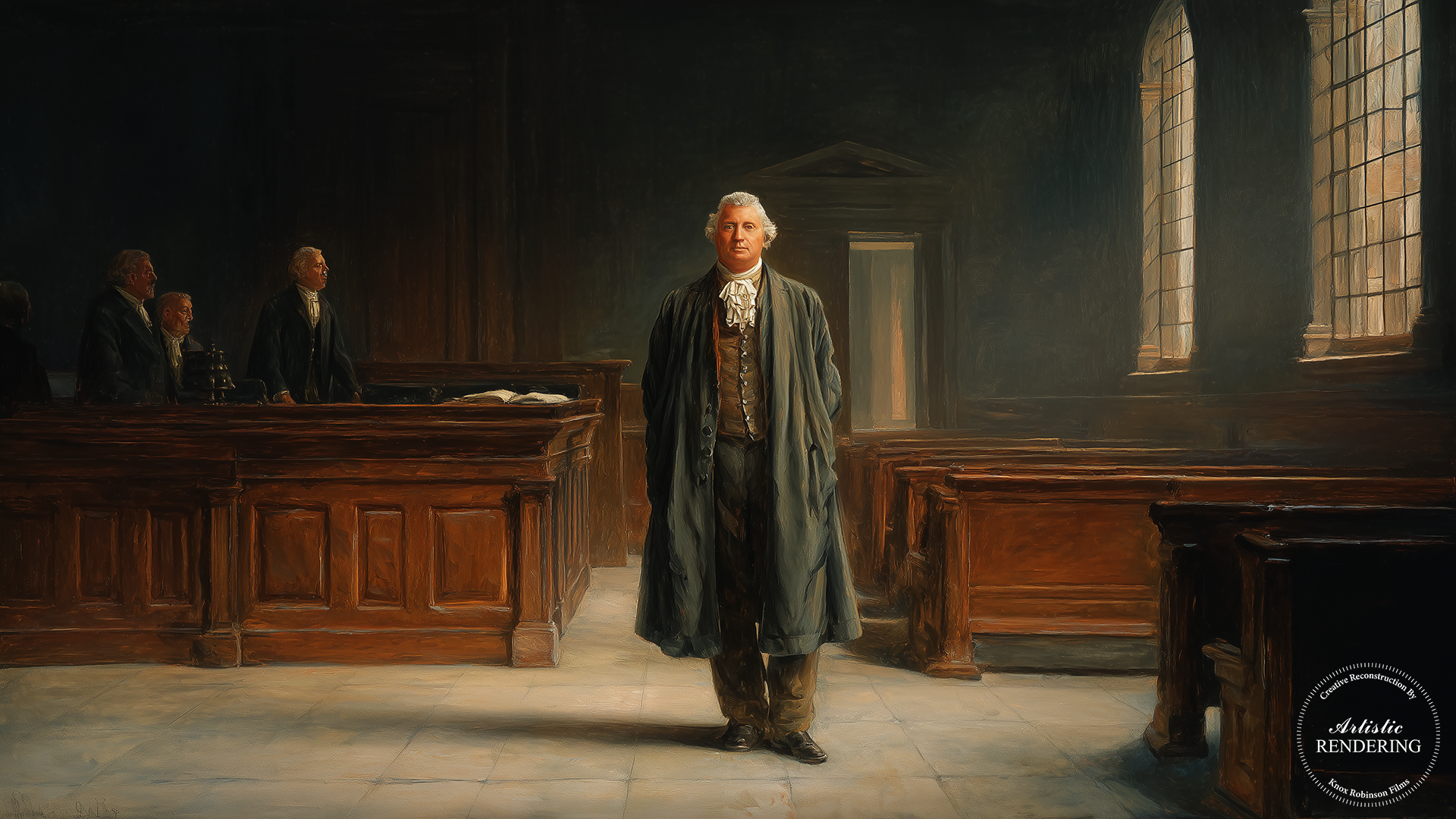
Clement Biddle, the “Quaker General”
Clement Biddle of Pennsylvania offers another illuminating example. Born in 1740 into a prominent Philadelphia family, Biddle was raised a Quaker but chose to support the Revolutionary cause. He served as commissary general of forage for Washington’s army, earning the moniker the “Quaker General.” After the war, he became a merchant and civic figure in Philadelphia.
In 1789, Washington appointed Biddle as the first U.S. Marshal for Pennsylvania. His tenure reflected both his organizational acumen and his prominence in Philadelphia society. Biddle oversaw the practical tasks of the marshal’s office with the same efficiency he had applied to supplying the Continental Army. He conducted the census, managed court security, and ensured the execution of federal orders.
Biddle’s appointment was not without controversy. His decision to take up arms in the Revolution had already estranged him from Philadelphia’s pacifist Quaker community. As marshal, he represented the strong federal authority that Anti-Federalists distrusted. Yet his reputation as a man of honor and service carried weight. Biddle’s career illustrates how Washington relied on Revolutionary veterans whose personal sacrifices gave them credibility as agents of the new government.
Other Early Marshals
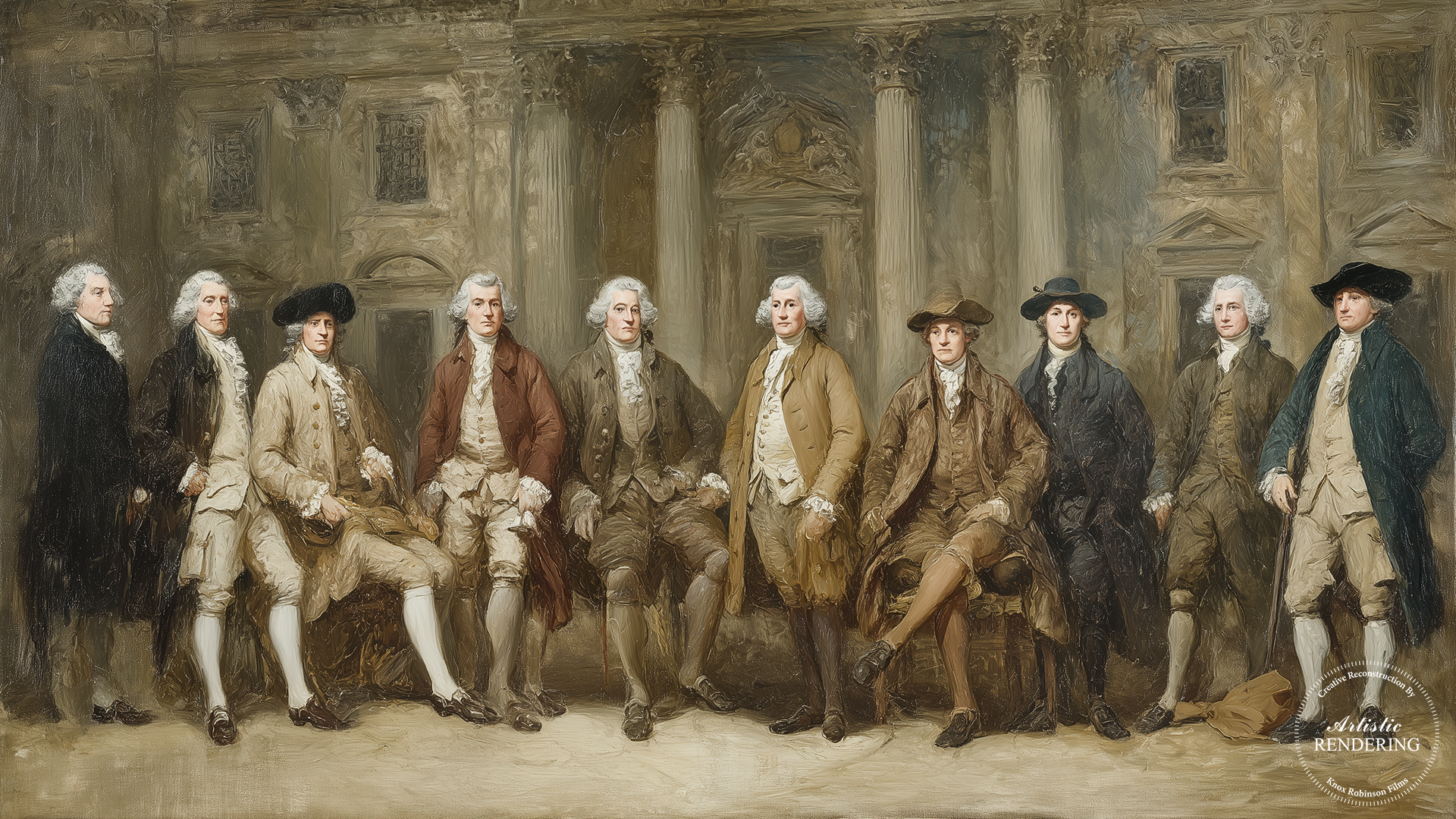
Beyond Forsyth, Lenox, and Biddle, Washington’s first slate of marshals included figures of local prominence across the states. Thomas Lowry of New Jersey, for example, was a successful merchant and veteran of the Continental Army. His dual role as businessman and soldier typified the kind of practical respectability Washington valued. In Massachusetts, Stephen Hall served as marshal, bringing with him experience in state politics and community leadership.
These men were not professional lawmen in the modern sense. They were community leaders whose reputations lent weight to their office. They often held other roles as merchants, planters, or politicians, while carrying out marshal duties. Their appointments reinforced the federal judiciary’s legitimacy by anchoring it in local respectability.
Taken together, the first marshals illustrate the diversity and unity of the Revolutionary generation. They came from different regions and backgrounds, but all shared a commitment to the republic. They embodied the connection between the Revolution’s ideals and the practical enforcement of law in a new nation.
Legacy and Historical Scholarship
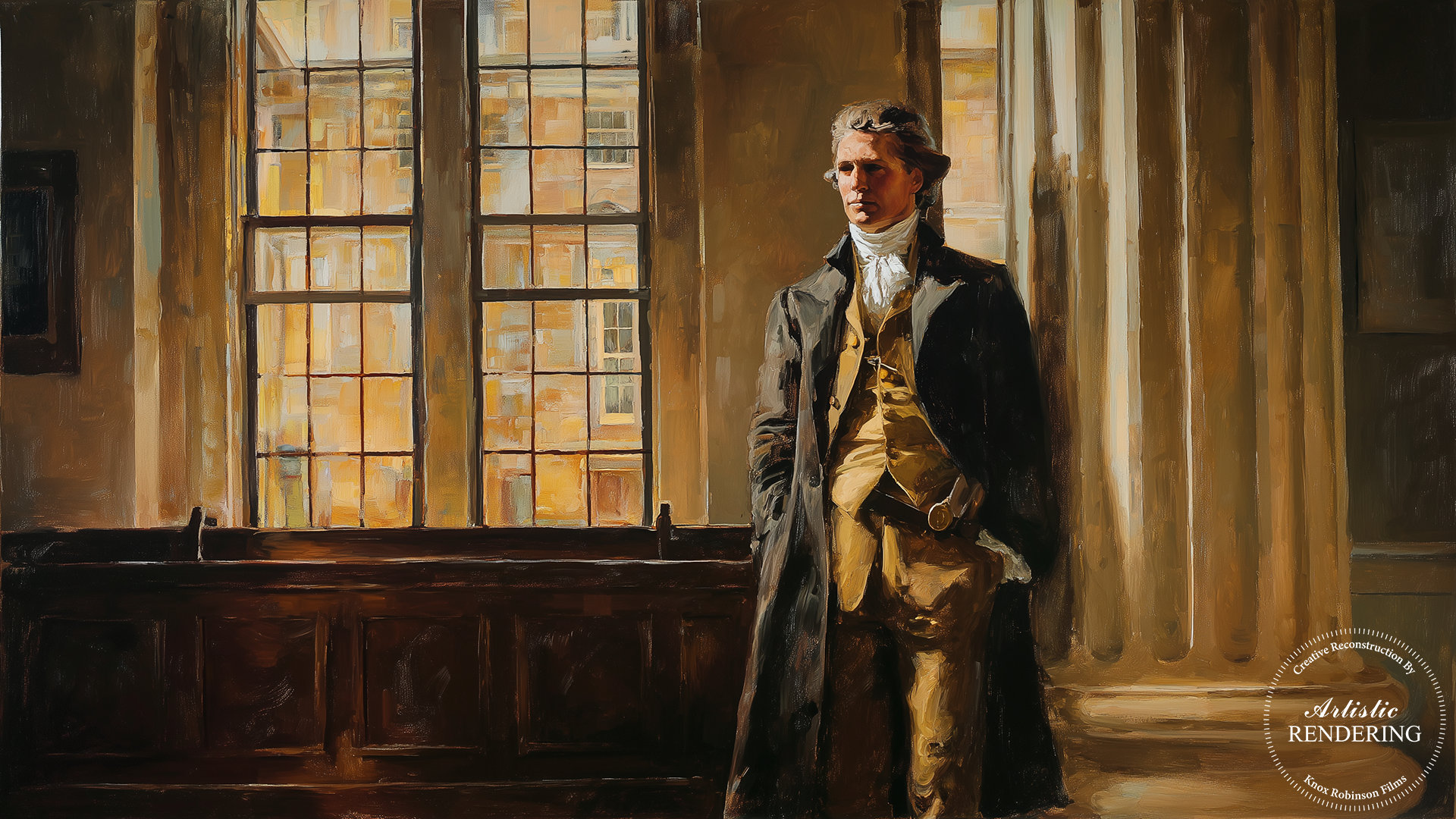
The first U.S. Marshals left a legacy larger than their individual biographies. They established the precedent that marshals were not merely process servers but key figures in the enforcement of federal authority. Their service bridged the gap between abstract constitutional law and the lived reality of governance.
Historians have often overlooked marshals in favor of judges, legislators, or presidents, yet scholarship on figures like Forsyth, Lenox, and Biddle demonstrates their importance. Works on Revolutionary Pennsylvania, Georgia, and New Jersey provide glimpses into their lives. Institutional histories of the U.S. Marshals Service preserve their memory, especially Forsyth’s sacrifice. Their stories remind us that the republic’s survival depended not only on lofty ideals but also on men willing to carry out the daily, often dangerous, work of law enforcement.
The Judiciary Act of 1789 created a judiciary on paper, but it was the first U.S. Marshals who brought it to life. They carried writs, summoned juries, enforced judgments, and embodied the authority of the Constitution in towns and cities where skepticism of centralized power remained strong. They faced hostility, risk, and, in Robert Forsyth’s case, death. Yet they persevered, establishing a tradition of service that continues more than two centuries later.
The first marshals were men of the Revolution, soldiers, merchants, civic leaders, who lent their reputations to a fragile new government. In their lives we see the blending of patriotism, practicality, and peril that defined the early republic. Their legacy endures in the U.S. Marshals Service, which today still honors their sacrifices and carries forward their mission: to serve the federal courts and uphold the rule of law.
Watch our latest documentary “In Search of Bass Reeves”.


Seeds of the American Revolution
The origins of the American Revolution lie not in a single act of Parliament or in the ambitions of a handful of colonial agitators, but in a convergence of imperial overreach, economic strain, and ideological ferment. The Revolution was seeded