

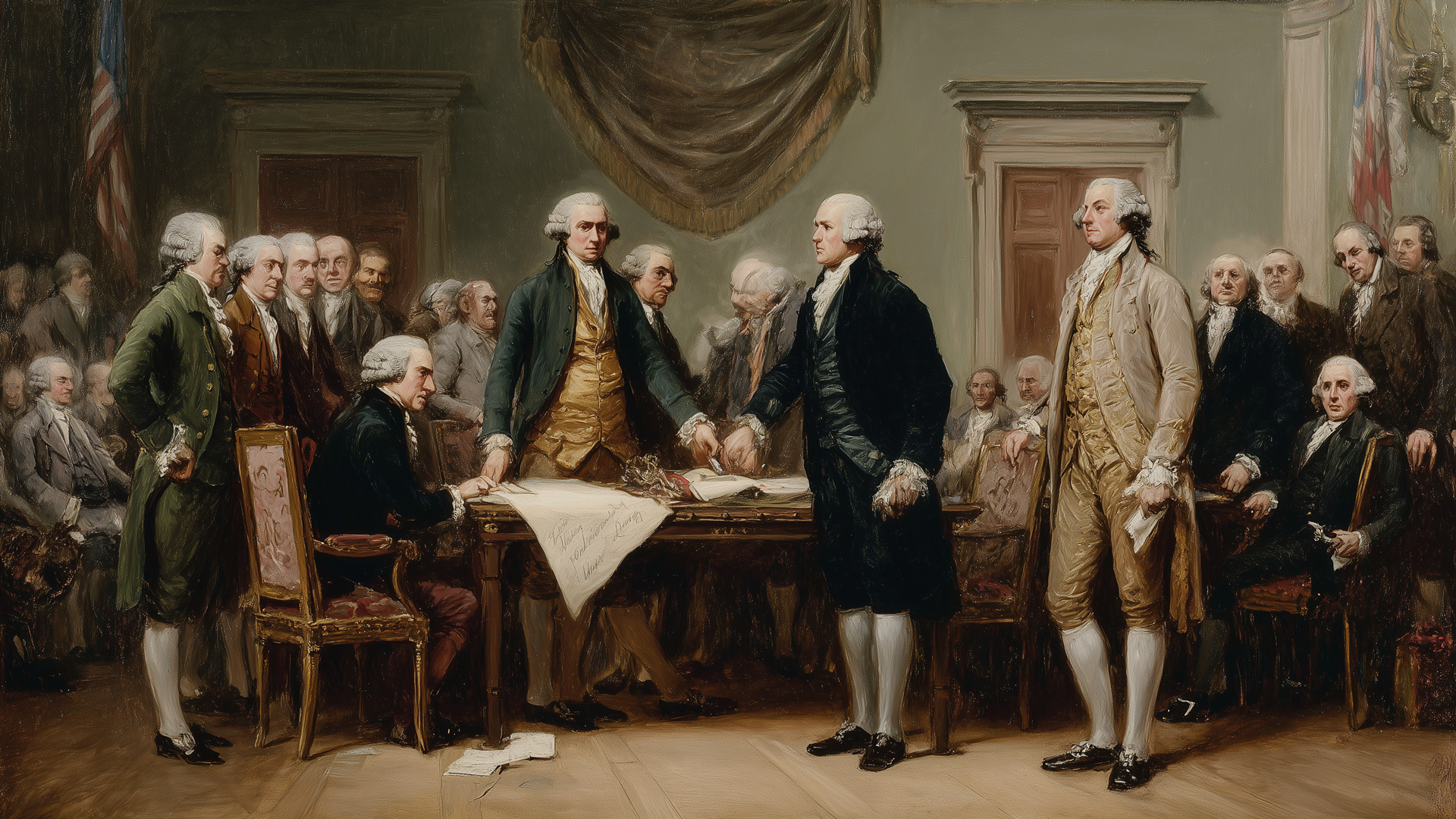

Seeds of the American Revolution
The origins of the American Revolution lie not in a single act of Parliament or in the ambitions of a handful of colonial agitators, but in a convergence of imperial overreach, economic strain, and ideological ferment. The Revolution was seeded in the aftermath of the Seven Years’ War, when Britain’s triumph created the conditions that would unravel its empire in North America.
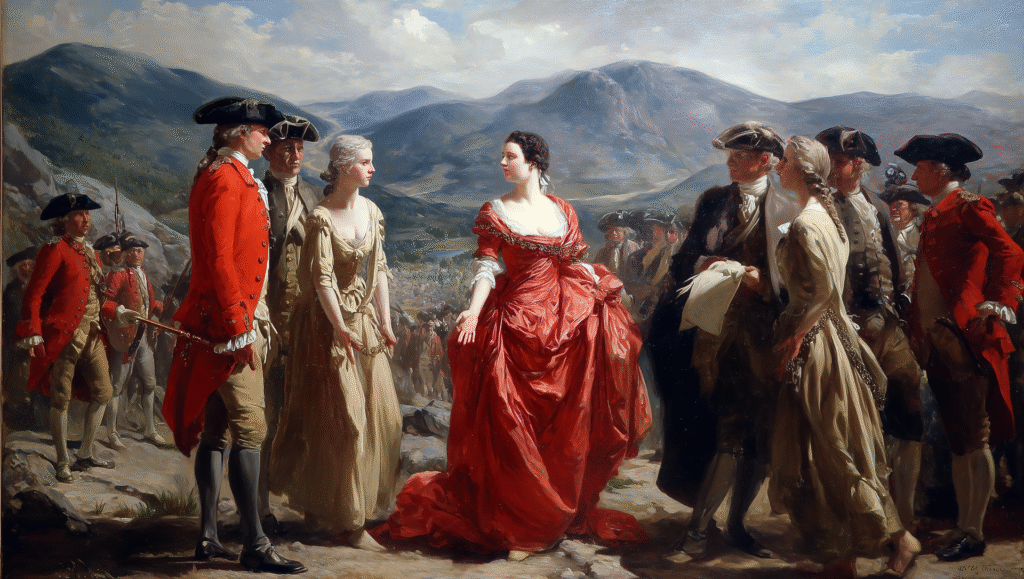
The Costs of Victory
When Britain secured victory over France in 1763, the empire stretched from Canada to the Caribbean and from India to Africa. Yet the cost of this global triumph was staggering. The national debt had nearly doubled, and the maintenance of new territories, especially those in North America, promised continuing expense. In his book The Glorious Cause; The American Revolution, 1763-1789, Robert Middlekauff notes that Britain had become a “fiscal-military state” whose survival depended on taxing widely and borrowing heavily to sustain its wars. By 1763 the debt stood at approximately £130 million, a crushing burden for a society whose landed aristocracy already resisted new impositions on property. To preserve the balance, Parliament turned to excises, customs, and colonial revenues as potential sources of relief (Middlekauff 2005, 34–38).
In America, the war had bound the colonists more closely to Britain than ever before. Provincial assemblies had raised troops, and colonial soldiers had fought beside British regulars. Yet this shared sacrifice produced contrasting expectations. Colonists anticipated recognition of their contributions and an easing of imperial restrictions, while British officials assumed that the colonists, having benefited from Britain’s victory, ought to shoulder more of the financial burden. The stage was set for mutual disappointment.
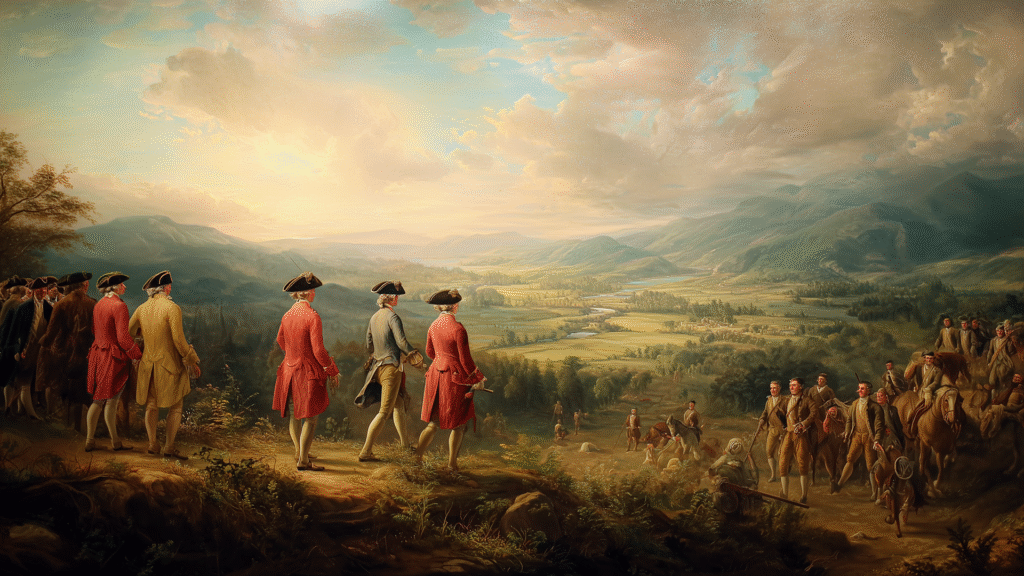
The Proclamation of 1763
One of the first seeds of resentment was sown not through taxation but through land. The Proclamation of 1763, issued by George III, forbade settlement west of the Appalachian Mountains in order to stabilize relations with Native peoples. To settlers eager for western land, the edict appeared both arbitrary and unjust. Gordon Wood notes in his book The Radicalism of the American Revolution that Americans conceived of liberty as inseparable from property and expansion; to restrict landholding was to strike at the very core of opportunity in the colonies (Wood 1993, 61–65).
The resentment was compounded by the presence of British troops. Stationed ostensibly for defense, these soldiers were perceived by colonists as an occupation force. The maintenance of a standing army in peacetime, financed in part by American revenues, fed into deeper ideological anxieties about power and liberty that Bernard Bailyn identifies in his book The Ideological Origins of the American Revolution as central to the revolutionary generation. The colonists had inherited a radical Whig tradition that equated standing armies with tyranny and corruption. Thus, what Britain regarded as prudent security, many Americans saw as evidence of a creeping conspiracy against liberty (Bailyn 1992, 94–98).
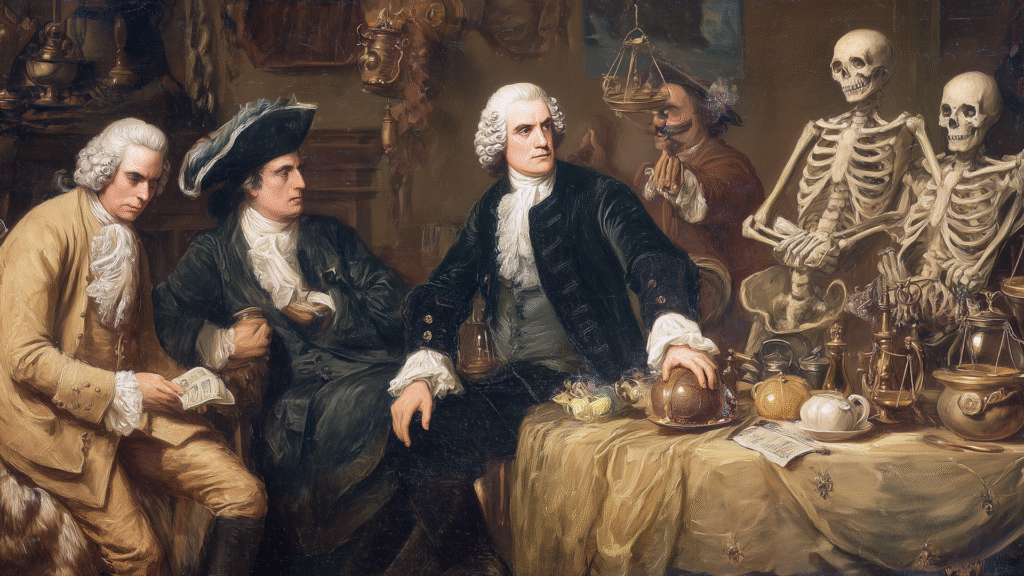
The Sugar Act and the Burden of Empire
The first direct attempt to draw revenue from the colonies after the war was the Sugar Act of 1764. Technically a revision of earlier trade regulations, it reduced the duty on foreign molasses but tightened enforcement, closing loopholes that merchants had long exploited. For New England traders especially, the act threatened livelihoods built on the Atlantic economy. More than economic disruption, however, the Sugar Act marked a new assertion of parliamentary authority. Middlekauff observes that colonists had tolerated earlier trade laws because they were loosely enforced; the Sugar Act signaled a determination to regulate colonial commerce vigorously and to collect revenues without colonial consent (Middlekauff 2005, 56–60).
At the same time, Britain sought to reorganize customs administration and clamp down on smuggling. Vice-admiralty courts, operating without juries, became symbols of arbitrary power. Colonists viewed these courts as violations of their rights as Englishmen, for trial by jury had long been cherished as a safeguard of liberty. The combination of economic grievance and constitutional principle deepened suspicion that Parliament aimed not merely at revenue but at a fundamental alteration of colonial freedom.
The Stamp Act Crisis
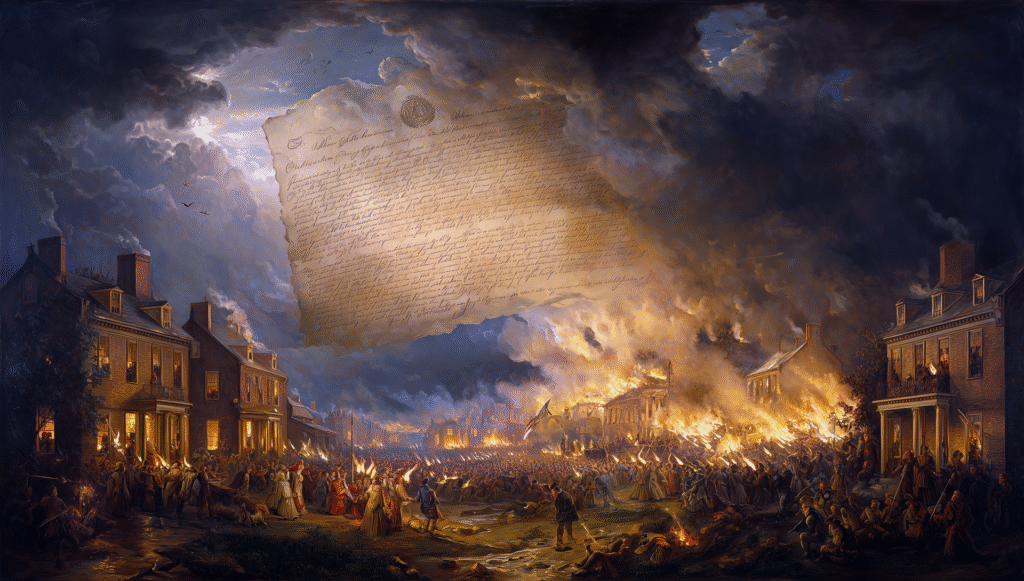
The true breaking point came with the Stamp Act of 1765. Unlike the Sugar Act, which targeted trade, the Stamp Act imposed an internal tax on a wide range of documents—from legal papers and newspapers to playing cards. The innovation was not the tax itself, but its principle: Parliament claimed authority to levy direct taxation on the colonies. To Americans, who had long insisted that taxation required representation, this struck at the heart of self-government.
The colonial response was immediate and explosive. Petitions and resolutions flowed from assemblies; pamphlets, sermons, and broadsides articulated the constitutional stakes. Bailyn’s study of pamphlet literature demonstrates how writers framed the Stamp Act not as a routine fiscal measure but as evidence of a concerted conspiracy against liberty. The rhetoric of “slavery” and “corruption,” once the vocabulary of opposition politics in Britain, was now deployed to interpret every imperial action as part of a systematic assault on colonial freedom (Bailyn 1992, 142–45).
Popular protest gave these arguments visceral force. Crowds in Boston, New York, and other towns targeted stamp distributors, ransacked homes, and destroyed property. Middlekauff recounts how mobs in Boston, inflamed by leaders like Samuel Adams, compelled officials to resign and made enforcement impossible. These demonstrations shocked imperial authorities but revealed a crucial feature of American resistance: the mobilization of ordinary people in defense of constitutional principles (Middlekauff 2005, 86–90).
Seeds of a New Political Consciousness
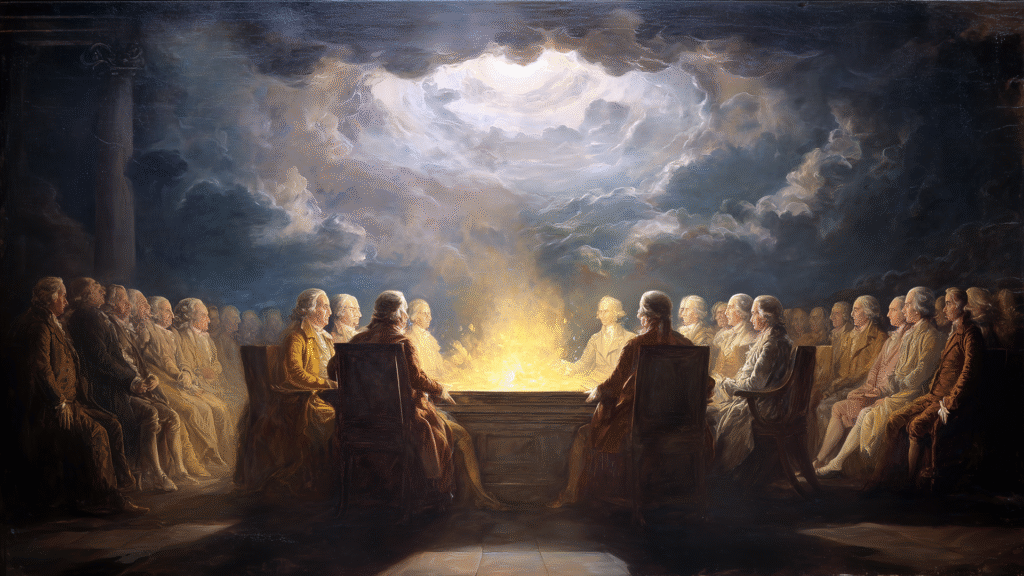
The crisis of 1765 forced colonists to confront questions long dormant. What was the nature of their relationship to Parliament? Did allegiance to the Crown require submission to a legislature in which they had no representation? Could rights as Englishmen be preserved in an imperial system that treated them as subjects without voice? Bailyn underscores that these questions pushed Americans to rethink fundamental concepts—representation, sovereignty, and consent—in ways that would transform political thought on both sides of the Atlantic (Bailyn 1992, 160–75).
The Stamp Act Congress, convened in New York in October 1765, was the first significant step toward intercolonial cooperation. Though cautious in its declarations, the congress asserted that only colonial assemblies could tax their constituents and that Parliament’s actions threatened ancient liberties. The resolutions did not yet call for independence, but they planted the seeds of unity and articulated grievances that would echo throughout the coming decade.
By the time Parliament repealed the Stamp Act in 1766, colonial suspicion had hardened into a pervasive distrust. The repeal was accompanied by the Declaratory Act, affirming Parliament’s right to legislate “in all cases whatsoever.” For Americans, this was less a concession than a warning. As Wood observes, the contradiction between repeal and assertion revealed the widening gulf between imperial authority and colonial expectations (Wood 1993, 72–75). The colonists had tasted the power of collective resistance, and Britain had declared its determination not to yield the principle of sovereignty.
The years between 1763 and 1765 thus mark the true beginning of the American Revolution—not in open war, but in the planting of ideological, economic, and political seeds. Victory in the Seven Years’ War had given Britain an empire too vast and costly to manage, while Americans, confident in their own growth and accustomed to self-rule, recoiled at the new burdens. The Revolution was not yet inevitable, but the ground had been prepared.
The Stamp Act crisis of 1765 had demonstrated the volatility of combining economic grievance with ideological suspicion. Even as Parliament repealed the measure in 1766, Americans had already begun to absorb and reinterpret a body of political ideas that would become the intellectual seedbed of the Revolution.
Radical Whig Traditions
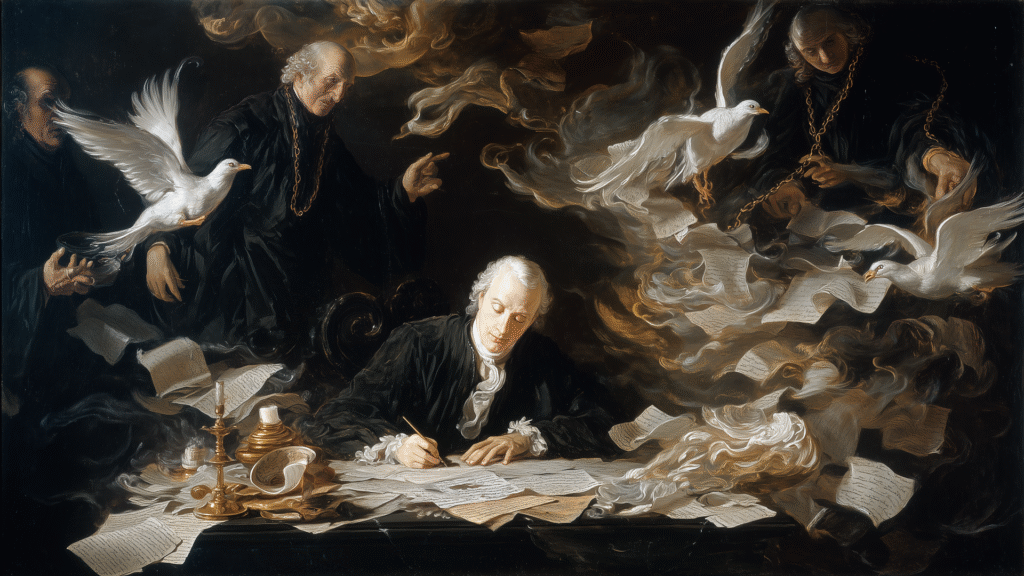
Bernard Bailyn’s close reading of Revolutionary pamphlets reveals how deeply colonists drew upon the radical Whig tradition of seventeenth- and eighteenth-century England. Writers such as Trenchard and Gordon, in their Cato’s Letters, had warned of the perpetual tension between liberty and power. They insisted that rulers inevitably sought to expand authority at the expense of subjects, and that eternal vigilance was the only safeguard against tyranny. Though written in the context of English politics, these arguments resonated powerfully in America, where distance and provincial status fostered suspicion of imperial motives (Bailyn 1992, 55–60).
This intellectual inheritance encouraged colonists to see political disputes not as isolated policy disagreements but as parts of a vast conspiracy. When Parliament asserted its sovereignty in the Declaratory Act, colonists interpreted the claim not as abstract theory but as the opening wedge of despotism. Bailyn argues that the rhetoric of “slavery” and “corruption” was not mere exaggeration but reflected real fears that liberty, once lost, could never be regained (Bailyn 1992, 94–98, 144–45).

Pamphlets as Political Weapon
Pamphlets became the chief medium of this ideological ferment. Between 1764 and 1776 more than four hundred pamphlets appeared, ranging from dense legal treatises to fiery sermons and satirical dialogues. They provided a space where lawyers, clergy, merchants, and even artisans could articulate grievances, debate constitutional principles, and rally public opinion. Bailyn emphasizes that pamphleteering was not propaganda in the modern sense; rather, it was an explanatory literature that revealed the assumptions, fears, and aspirations of a society in upheaval (Bailyn 1992, 1–8).
These pamphlets often grew out of personal disputes but quickly escalated into broader polemics. Richard Bland of Virginia, for instance, launched constitutional arguments that others expanded and refined. Thomas Jefferson’s A Summary View of the Rights of British America (1774) later distilled these ideas into a comprehensive statement of American grievances. The medium’s flexibility, at once immediate and enduring, allowed Revolutionary thought to develop in a dynamic, contested arena.
The Quartering Act and Renewed Suspicion
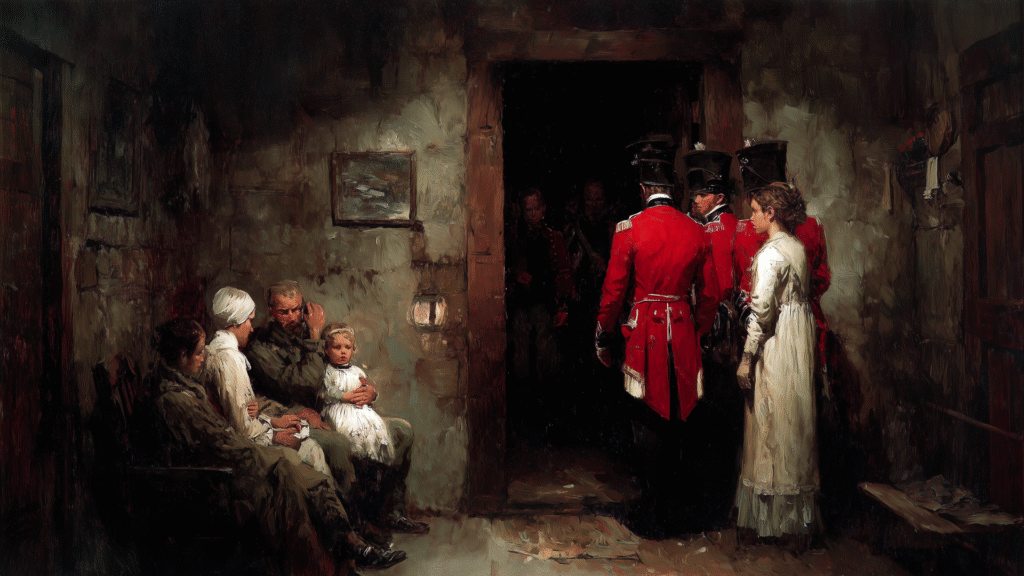
While pamphleteers debated constitutional theory, Parliament enacted new measures that inflamed suspicion. The Quartering Act of 1765 required colonies to provide housing and supplies for British troops. Though not universally enforced, the act symbolized the threat of standing armies and furthered the belief that Britain intended to subjugate its colonies by force.
In New York, resistance to the Quartering Act led Parliament to suspend the colonial assembly in 1767 until it complied. This unprecedented intrusion into local governance confirmed for many Americans that Parliament would not hesitate to trample ancient liberties. As Robert Middlekauff notes, what might have been a minor administrative dispute took on constitutional significance because colonists viewed every imperial demand through the lens of conspiracy and corruption (Middlekauff 2005, 102–05).
Townshend Duties and Colonial Unity
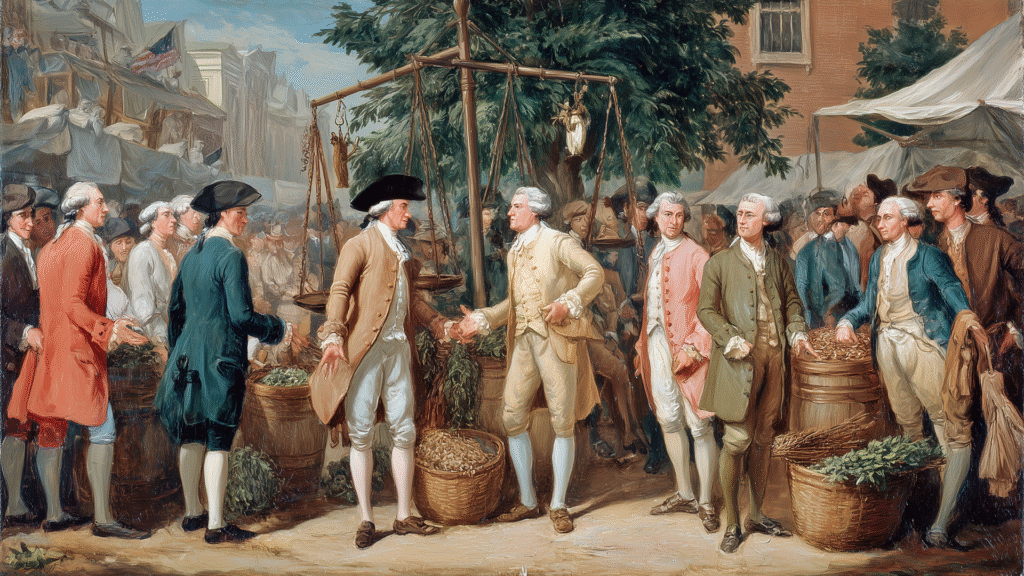
The leadership of Charles Townshend in 1767 brought a new round of taxation. Duties on glass, paper, paint, and tea were justified as “external” taxes, supposedly less offensive than the “internal” Stamp Act. Yet colonists quickly perceived the ruse: revenue was revenue, and principle mattered more than form. John Dickinson’s widely circulated Letters from a Farmer in Pennsylvania insisted that Parliament had no right to tax for revenue at all, and that yielding on this point would establish a precedent fatal to liberty (Middlekauff 2005, 120–25).
Nonimportation agreements spread, uniting merchants and farmers across colonies in resistance. For the first time, Americans experimented with boycotts as instruments of political leverage. While uneven in enforcement, these agreements signaled that opposition could be collective and sustained. Pamphlets, sermons, and town meetings reinforced the sense of a common struggle against a distant Parliament determined to strip away rights.
By the close of the 1760s, the ideological framework of the Revolution was firmly in place. Americans had come to believe that liberty was fragile, that power was inherently encroaching, and that Britain’s actions revealed a deliberate design to reduce them to slavery. The seeds of rebellion had sprouted into a shared political consciousness.
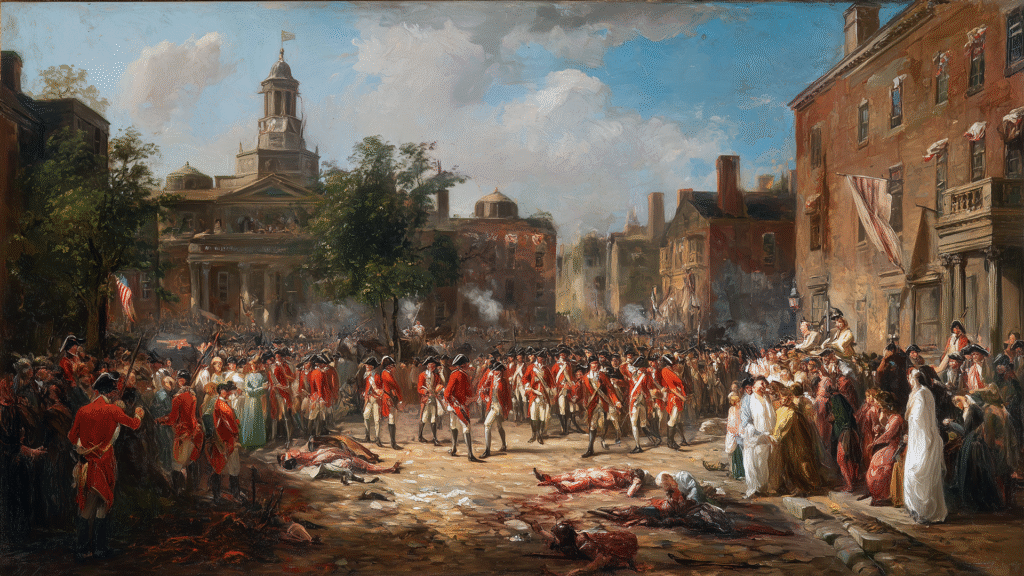
The late 1760s witnessed the escalation of tensions from rhetoric to violence. The Townshend Duties ignited opposition that would culminate in bloodshed on the streets of Boston, binding ideological fears to physical confrontation.
Boston as the Epicenter
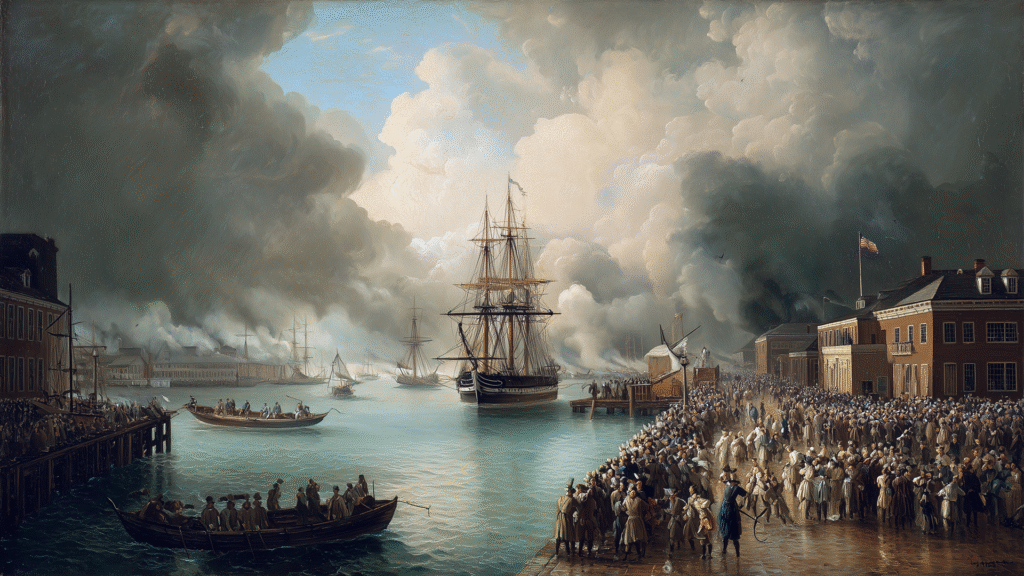
Boston emerged as the crucible of resistance. Long a center of radical politics, the town became the focal point of imperial policy and colonial defiance. Middlekauff details how customs officials, attempting to enforce the new duties, seized John Hancock’s ship Liberty in 1768. The seizure provoked riots that forced officials to flee to a British warship for protection. The Crown responded by stationing troops in the city, a decision that would prove disastrous (Middlekauff 2005, 140–45).
The presence of redcoats in Boston intensified hostility. Soldiers competed with laborers for jobs, disrupted daily life, and embodied the colonists’ worst fears about standing armies. Pamphleteers denounced the occupation as the beginning of tyranny, while popular leaders like Samuel Adams organized protests that blended ideological argument with street theater.
The Boston Massacre
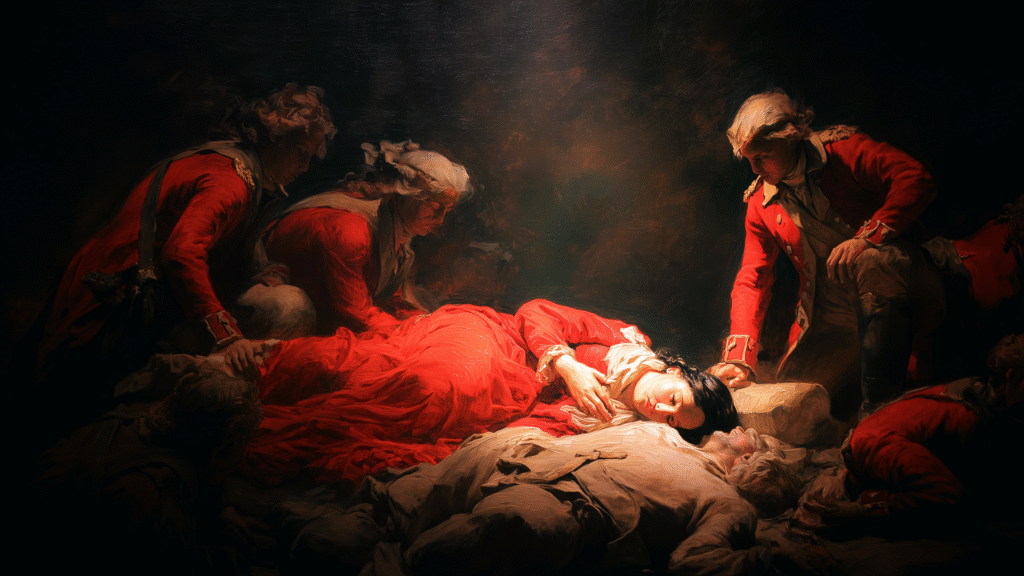
Tensions erupted on March 5, 1770, when British soldiers fired on a crowd, killing five colonists. The “Boston Massacre,” as Paul Revere’s engraving quickly branded it, became an instant symbol of British oppression. John Adams’s defense of the soldiers in court demonstrated the persistence of legal principle, but the broader political meaning was clear: Britain’s attempt to enforce order had produced bloodshed.
Bailyn observes that the rhetoric of conspiracy gained new plausibility from such events. What had been warnings of potential tyranny now seemed confirmed by actual violence. Pamphlets commemorating the massacre blended theology, law, and political philosophy, casting the dead as martyrs to liberty. Each anniversary of the event was marked by public orations that reinforced communal memory and heightened suspicion of imperial motives (Bailyn 1992, 232–40).
Partial Repeal and Temporary Calm
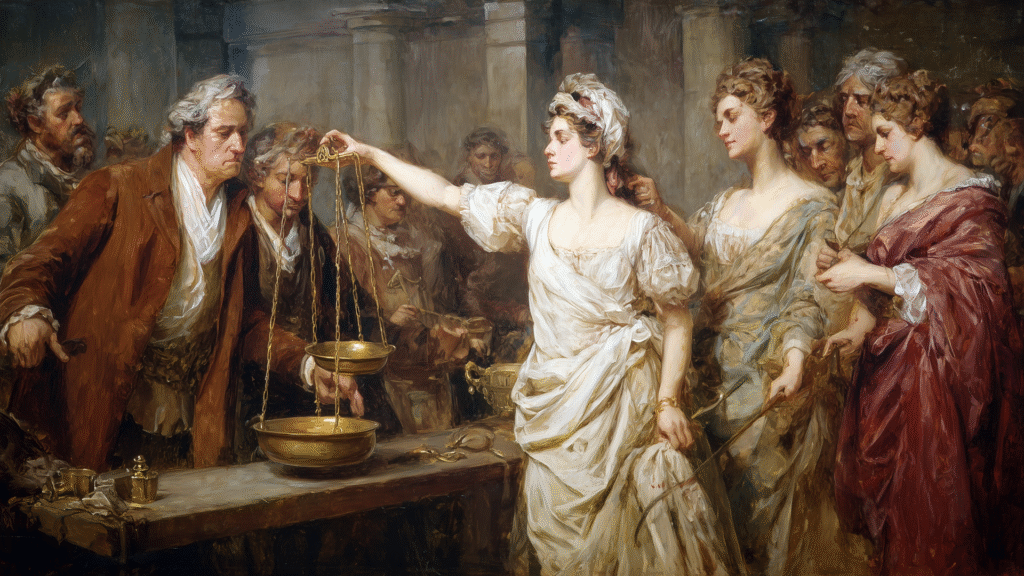
Parliament repealed most of the Townshend Duties in 1770, retaining only the tax on tea as a symbol of authority. The repeal brought a temporary lull in crisis, and trade resumed. Yet the principle remained unresolved. By keeping the tea duty, Britain maintained its claim of sovereignty; by resuming imports, colonists risked undermining their own resistance.
Gordon Wood argues that beneath the surface calm, social change continued to erode the bonds of deference that had once tied colonies to Britain. Merchants, artisans, and farmers alike had participated in boycotts and protests, discovering a capacity for collective action that would not be forgotten. The Revolution, in Wood’s formulation, was not only political but social, transforming the very relationships of authority within colonial society (Wood 1993, 89–95).

The years after the Boston Massacre witnessed both renewed efforts at imperial control and increasingly radical colonial responses. By 1775, rebellion had become revolution in thought and deed.
Committees of Correspondence
In 1772, Samuel Adams and others in Massachusetts organized committees of correspondence to coordinate resistance and circulate arguments. These committees, soon adopted by other colonies, created a network of political communication that bypassed royal governors and imperial structures. Middlekauff notes that they provided an institutional framework for unity, ensuring that local grievances were interpreted within a common narrative of conspiracy and resistance (Middlekauff 2005, 165–70).

The Tea Act and the Boston Tea Party
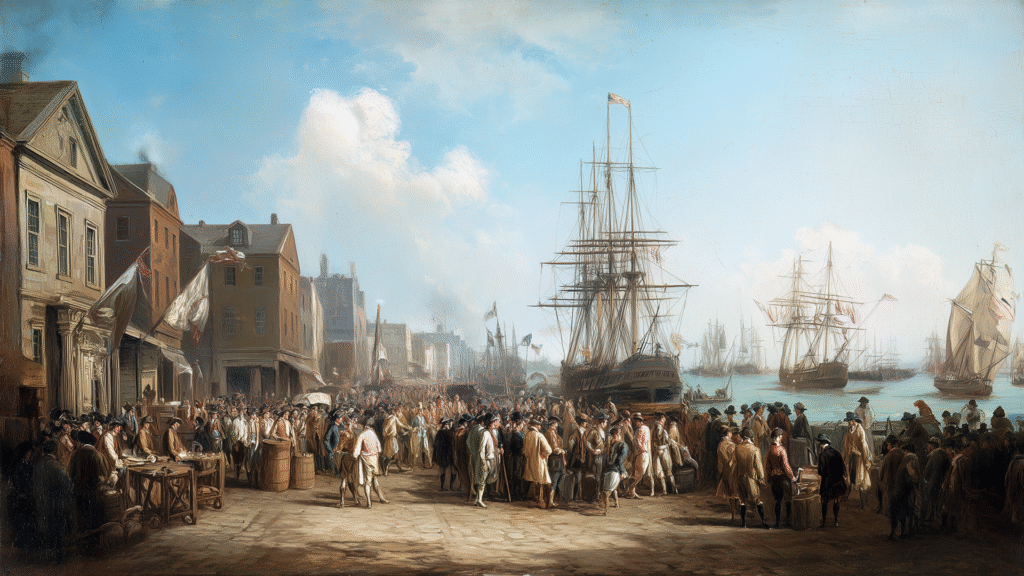
The Tea Act of 1773 reignited conflict. By granting the East India Company a monopoly on tea imports, Parliament sought to rescue a faltering corporation while asserting the legitimacy of the tea duty. Colonists perceived the act as a trick: cheaper tea might lure Americans into accepting taxation by precedent. Bailyn highlights how pamphlets insisted that yielding even on a minor tax would surrender the principle of liberty (Bailyn 1992, 246–50).
Boston responded with dramatic defiance. On December 16, 1773, disguised men boarded ships and dumped 342 chests of tea into the harbor. The Boston Tea Party was not mere vandalism but a calculated act of resistance, rich in symbolic power. It declared that Americans would not be seduced into compliance and that principle outweighed profit (Middlekauff 2005, 190–95).
The Coercive Acts
Britain replied with the Coercive Acts of 1774, known in America as the Intolerable Acts. These measures closed Boston Harbor, altered the Massachusetts charter, permitted royal officials accused of crimes to be tried elsewhere, and expanded the Quartering Act. Far from isolating Massachusetts, the acts galvanized support across the colonies. They confirmed suspicions that Britain aimed at nothing less than the destruction of American liberty.
Wood emphasizes that the Coercive Acts transformed the crisis from a dispute over taxation into a struggle over self-government itself. Colonial assemblies rallied to Massachusetts’ defense, sending aid and declaring solidarity (Wood 1993, 100–05). The seeds planted in earlier protests now blossomed into a continental movement.
The First Continental Congress
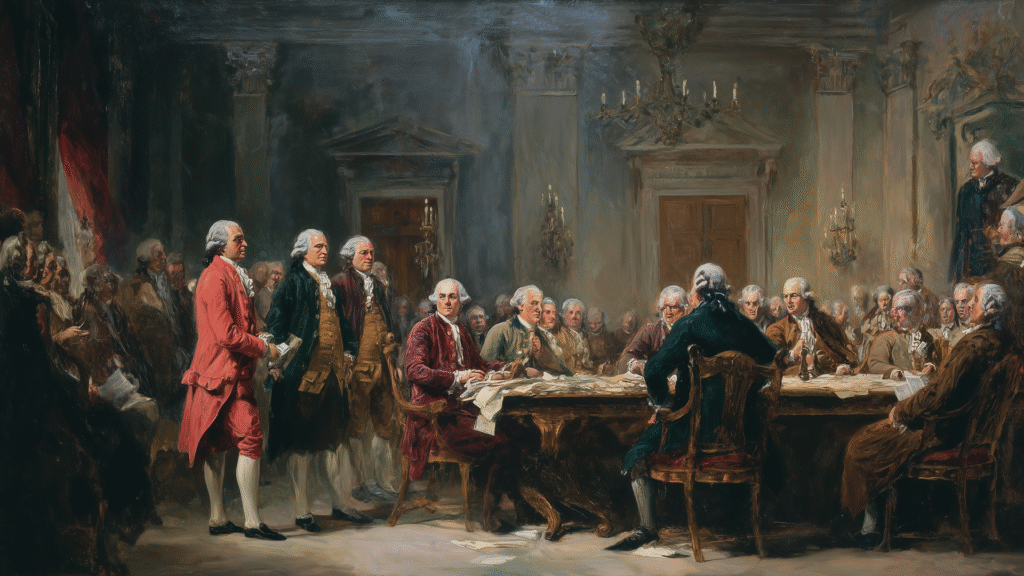
In September 1774, delegates from twelve colonies met in Philadelphia at the First Continental Congress. The Congress adopted the Suffolk Resolves, endorsed nonimportation, and issued a Declaration of Rights asserting that only colonial legislatures could tax their constituents. While still professing loyalty to the Crown, the Congress created a machinery of intercolonial cooperation that foreshadowed independence.
Bailyn notes that the language of the Congress reflected the radicalization of ideology. Appeals to natural rights, the law of nature, and the compact theory of government revealed how far Americans had moved beyond traditional claims as Englishmen (Bailyn 1992, 175–80). The Revolution was becoming not merely a constitutional quarrel but a reimagining of political legitimacy itself.
Lexington and Concord
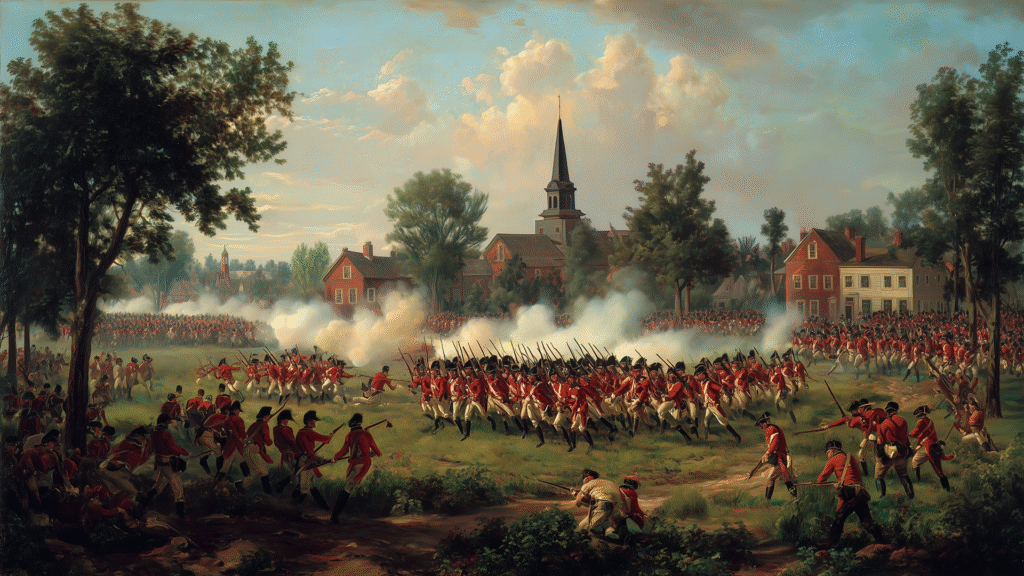
The final spark came in April 1775, when British troops marched to seize colonial stores at Concord. At Lexington and Concord, shots were fired, and the Revolution turned from debate to war. Middlekauff observes that the skirmishes were militarily minor but psychologically immense. They confirmed that armed resistance was possible and that Americans would fight rather than submit (Middlekauff 2005, 165–70).
The seeds planted over a decade had now borne fruit in open rebellion.
The Revolution did not begin in 1775 as an inevitable struggle for independence but as a series of disputes that grew into a radical transformation of political thought and social relations.

The Contagion of Liberty
Bailyn famously described the Revolution as a “contagion of liberty.” The principles articulated against Parliament spread outward, challenging institutions far beyond imperial authority. Debates over slavery, established religion, and hierarchical deference all drew upon the same language of rights and liberty. What began as resistance to taxation became a redefinition of authority in every sphere of American life (Bailyn 1992, 230–35).
From Deference to Democracy
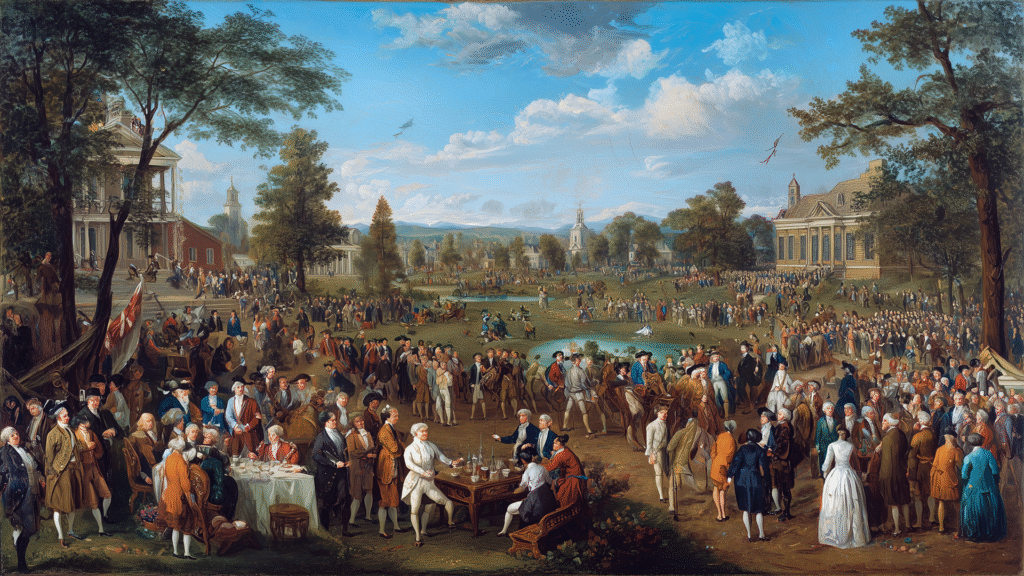
Wood deepens this perspective by emphasizing the social radicalism of the Revolution. In his view, the most enduring change was not independence itself but the erosion of the deferential society that had characterized colonial America. Relationships between gentlemen and commoners, masters and apprentices, clergy and laity all shifted under the weight of Revolutionary ideology. The Revolution unleashed egalitarian impulses that would shape American society long after the war (Wood 1993, 120–25).
Seeds of Federal Authority
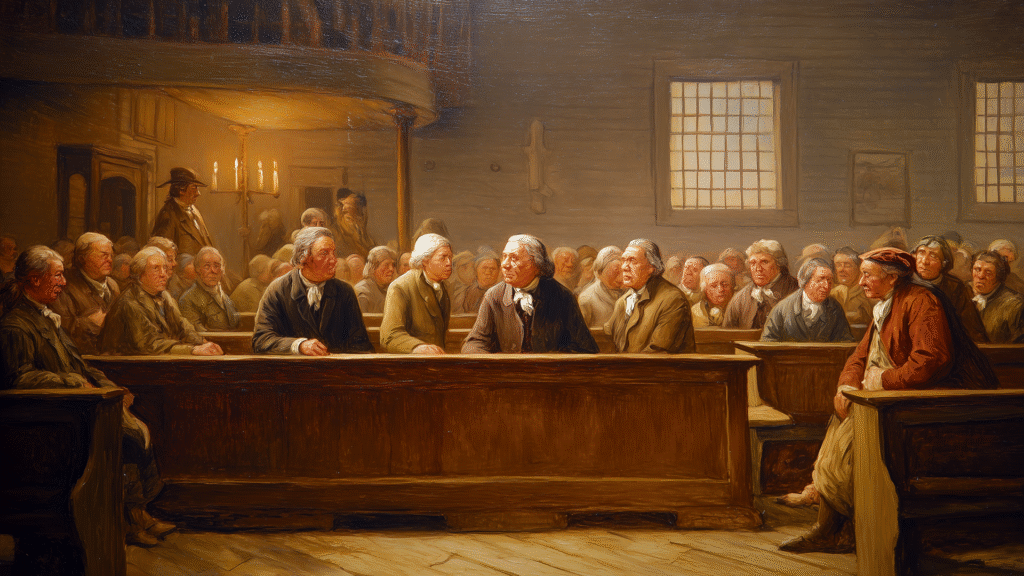
At the same time, the Revolution laid the groundwork for new forms of federal power. Middlekauff underscores that in resisting Britain, Americans created institutions, committees, congresses, and militias, that foreshadowed national government. What began as rebellion against imperial overreach became the seedbed for an enduring experiment in republican governance (Middlekauff 2005, 190–95).
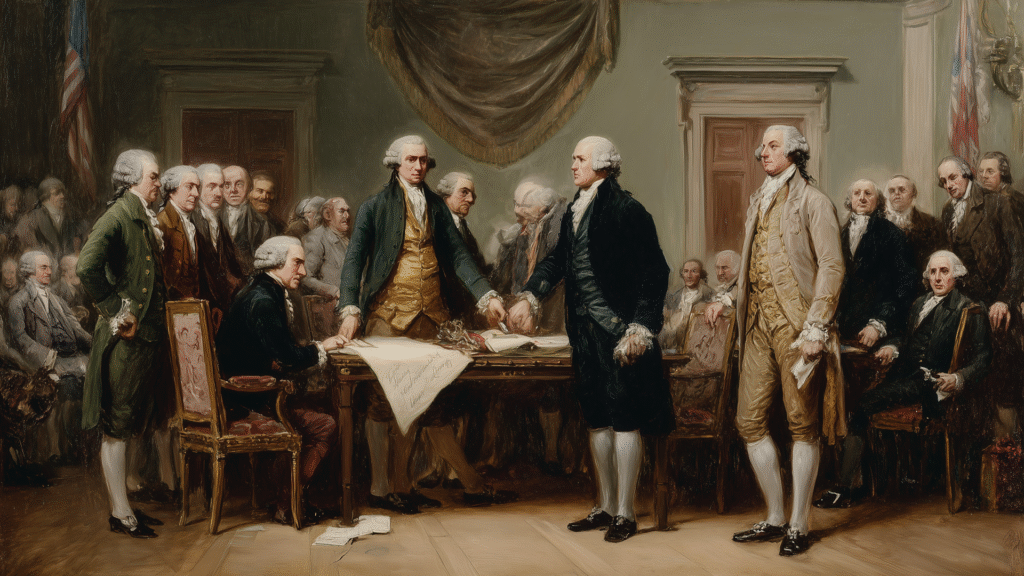
The seeds of the American Revolution were sown in the 1760s, when British attempts to manage a vast empire collided with American traditions of self-rule and ideological suspicion of power. Taxes, trade restrictions, and land bans ignited resentment, but it was the convergence of radical Whig thought, popular mobilization, and imperial miscalculation that transformed grievance into revolution.
Transformation
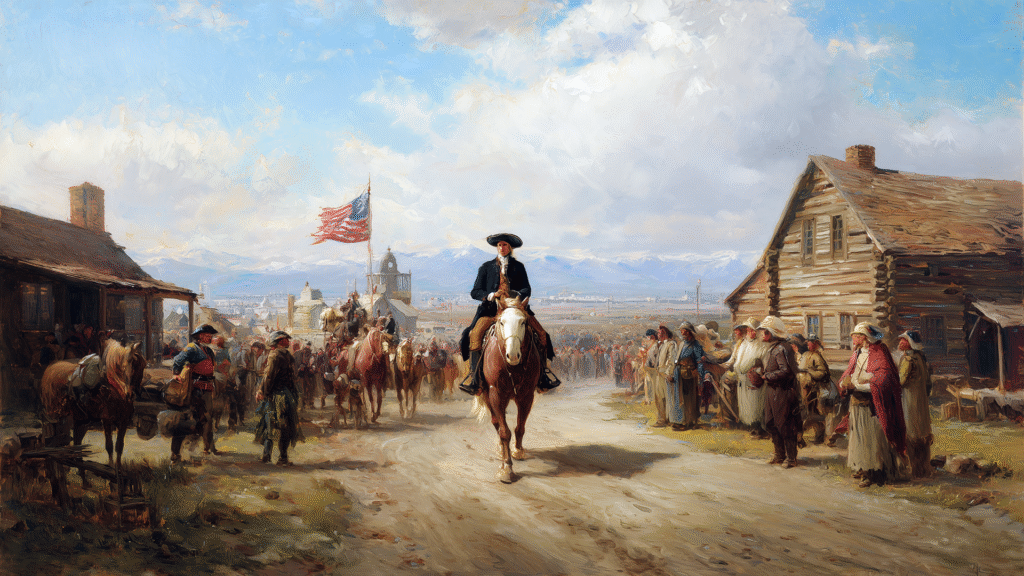
The Revolution did not begin in 1775 as an inevitable struggle for independence but as a series of disputes that grew into a radical transformation of political thought and social relations.
Bailyn famously described the Revolution as a “contagion of liberty.” The principles articulated against Parliament spread outward, challenging institutions far beyond imperial authority. Debates over slavery, established religion, and hierarchical deference all drew upon the same language of rights and liberty. What began as resistance to taxation became a redefinition of authority in every sphere of American life (Bailyn 1992, 230–35).
Wood deepens this perspective by emphasizing the social radicalism of the Revolution. In his view, the most enduring change was not independence itself but the erosion of the deferential society that had characterized colonial America. Relationships between gentlemen and commoners, masters and apprentices, clergy and laity all shifted under the weight of Revolutionary ideology. The Revolution unleashed egalitarian impulses that would shape American society long after the war (Wood 1993, 120–25).
At the same time, the Revolution laid the groundwork for new forms of federal power. Middlekauff underscores that in resisting Britain, Americans created institutions—committees, congresses, and militias—that foreshadowed national government. What began as rebellion against imperial overreach became the seedbed for an enduring experiment in republican governance (Middlekauff 2005, 190–95).
By 1776, Americans no longer saw themselves merely as aggrieved subjects but as a people called to defend liberty in its fullest sense. The Revolution was thus not a sudden break but the culmination of a decade of ideological growth, political experimentation, and social transformation.
In the decades that followed, the same federal authority born in rebellion had to be carried into a vast and unsettled continent. The U.S. Marshals, created by the Judiciary Act of 1789, became the living embodiment of that continuity, enforcing the laws of a republic forged in revolution, extending the reach of the Constitution into territories where government was otherwise absent. The story of rebellion is therefore also the story of federal law’s first guardians. Before there were U.S. Marshals, there was resistance to empire; and once independence was secured, the Marshals stood as the federal presence that gave lasting form to the liberty for which the Revolution had been fought.

The First U.S. Marshals: Guardians of Federal Law in the Early Republic
In 1789, when President George Washington signed the Judiciary Act, the office of U.S. Marshal was created. These men weren’t paper-pushers. They were the face of federal law in a young nation still finding its footing. The first marshals were